
Earth Day Native Tree & Forest Canopy
A hands-on ecology and botanical-art expedition that turns any classroom, kitchen, or library into a working field station. Learners study soil, seeds, sunlight, and forest canopy structure the way real ecologists do, and finish with a technical botanical illustration worthy of the journals of George Washington Carver.
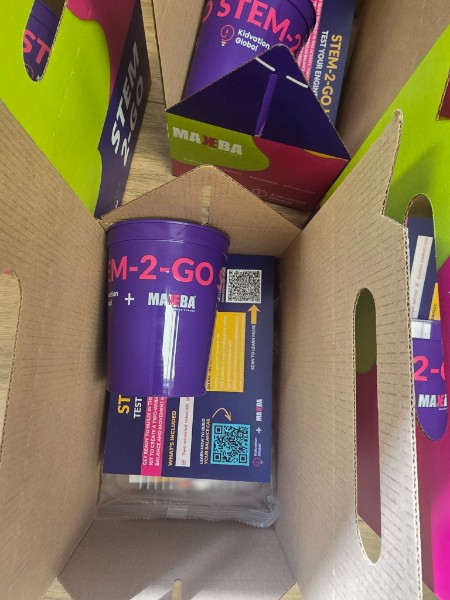
What students actually do.
Soil pH & Nutrient Lab
Test three soil samples for pH, nitrogen, and moisture. Chart the results and pick the healthiest site for your seed.
Native Seed Germination Station
Sprout regional native seeds in a mini greenhouse and log daily growth in a scientific journal.
Build an Elevation Clinometer
Assemble a working paper-and-string clinometer to measure tree height and canopy angles like a real forester.
Botanical Field Illustration
Sketch a leaf, seed, and root system in graphite and ink using the same technical style Carver used in his notebooks.
Full materials list.
- 3 soil sample tubes with pH strips and nutrient reagents
- 6 native regional wildflower and tree seed packets
- Peat pellet greenhouse tray with humidity dome
- Precision graphite pencils (2H, HB, 2B) and ink liner
- 100 gsm cotton sketch paper (10 sheets)
- Elevation clinometer kit (protractor, string, weight, straw)
- Waterproof field journal with prompts
- Facilitator guide with 4 session plans
NGSS & CCSS aligned.
By the last session, every student can:
Kids meet the real scientists behind the work.
Dr. Wangari Maathai
Kenyan biologist, environmental activist, and Nobel Peace Prize laureate.
George Washington Carver
American agricultural scientist and inventor whose crop research reshaped Southern farming.
From our workshop to classrooms nationwide.

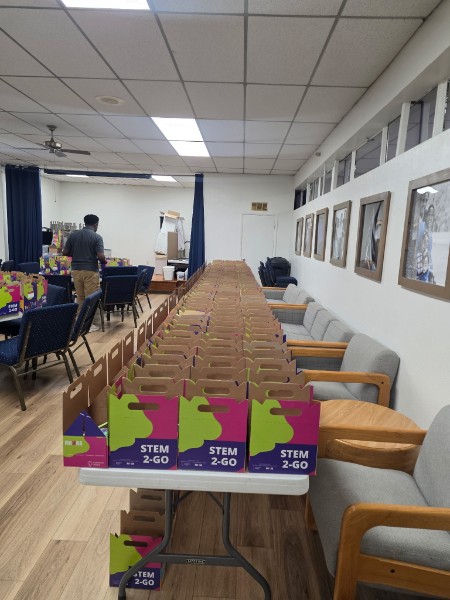
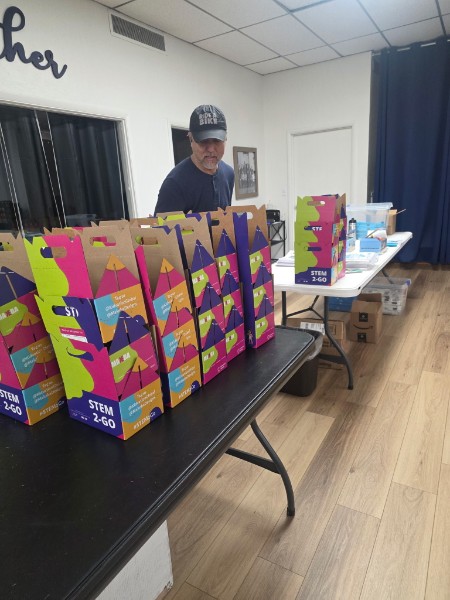
Ready to bring Earth Day Native Tree & Forest Canopy to your classroom?
Please allow several business days for your kits to be prepared for shipping — custom and made-to-order kits may require additional production time. District quotes and grant documentation are prepared within 1–2 business days.